Clara Serra López releases Lengua Materna (Part I)
Clara Serra López releases her debut EP Lengua Materna (Part I), reveals two new tracks Mi Tierra Q...
Fri, 25 July 25
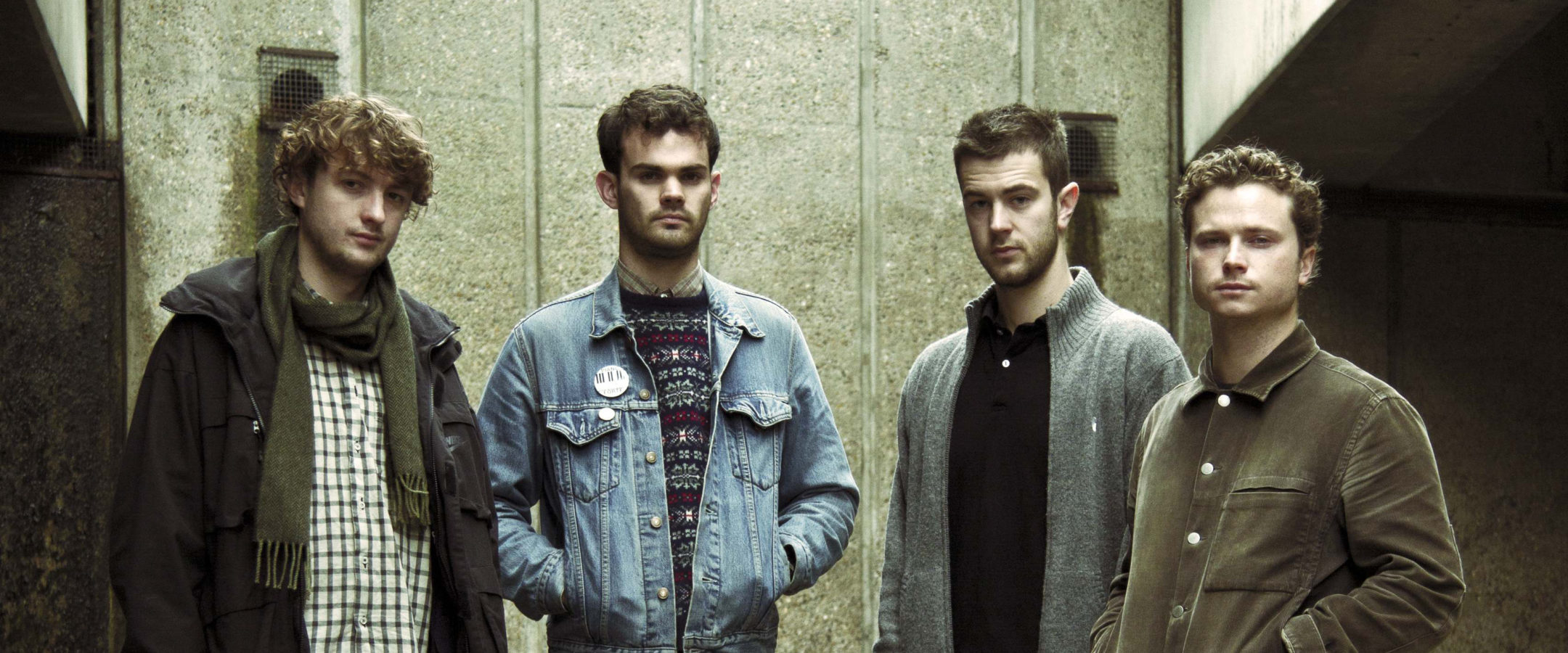
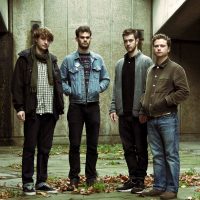
Portico Quartet still sound like nothing you ever heard before. The Mercury nominated, East London-based outfit's unique brand of hypnotic minimalism has expanded to embrace new sonic territories. Drawing on the inspiration of electronica, ambient, classical and dance music, they take their strange, beautiful, cinematic, future music to exciting new vistas where the inspiration of Burial, Mount Kimbie and Flying Lotus rubs shoulders with the textures of Arve Henriksen and Bon Iver and echoes of Steve Reich and Max Richter. But all underpinned by a shared joy in collective music making as the band push their inimitable music into the future.
Their journey over the last few years has seen them rise from gritty street performances on London’s Southbank to countless international shows from Berlin to Paris, London to New York and beyond. Their self-produced debut album Knee Deep In The North Sea was nominated for the 2008 Mercury Music Prize (alongside Radiohead, Robert Plant and Elbow), and they subsequently signed to Real World Records.
Their second album Isla, produced by John Leckie and recorded at Abbey Road, explored wide-angle filmic themes and textures. They subsequently returned with their eagerly awaited self-titled third album that found the band expanding on their trademark sound of eerie hang, ethereal sax, earthy bass and drums via an organic use of electronics, and effects diving headlong into an epic, cinematic sound palette.
They’ve done all this while integrating hang player/keyboardist Kier Vine (an old friend of Milo’s from Goldsmith’s University) into the line-up alongside drummer Duncan Bellamy, bassist Milo Fitzpatrick and saxophonist/keyboardist Jack Wyllie after the band’s original hang player Nick Mulvey left to explore pastures new.
Expanding their sound to embrace electronics was a natural progression in an age where integrating effects, real time looping and samples is second nature to many musicians. In the process Portico Quartet maintain an authentic acoustic core sound that’s magnified through skilled electronic manipulation. As saxophonist and keyboard player Jack explains; “When we were touring the last album we were trying to find ways of going beyond the sounds of our own instruments, for me that was using effects pedals and then looping it – Duncan ended up taking a feed from my saxophone so he could affect what I was doing. Then Milo had some effects on his double bass and now Duncan has now got wholly electric drums, alongside his normal drum kit – so you’ve still got the warm acoustic sound of the instrument but it’s being manipulated. So you get that warm acoustic feeling but you also have digital manipulation.” And for all the digital trickery behind these sounds, there’s both a human being and a soulful intent behind every sound created and note played.
The emergence of a heavier dance music edge to the Portico Quartet sound is a reflection of the band’s listening habits. And while Duncan, Milo and Jack have all acknowledge the importance of jazz as part of learning their instruments the music they have never seen themselves as jazz musicians or Portico Quartet as a jazz band. They simply make music they like and the music they are making now is a true reflection of their myriad influences from UK bass, ambient, electronica, contemporary classical, bass-heavy hip hop a la Flying Lotus and the experimental avant garde. This is also part of a wider reflection of London itself, that Portico Quartet have absorbed via its buzzing club scene and the gritty urban music making that surrounds them.
Keir Vine brought myriad musical sensibilities to the band; a keyboardist with classical training in composition, his previous work includes electronic, post-punk and Afrobeat projects as well as Sound Art installations and film music. Thrown in at the deep end, he joined the band toward the tail-end of their time touring Isla, learning not just a new set of tunes but also how to play the hang. Yet with lots of support and encouragement from the rest of the band he got through this challenging period while simultaneously becoming a full-fledged band member, gaining insight into their working methods and becoming part of the creative process too. “It really suited where I wanted to be at that point, it really suited what I was craving at that time, and it’s been about as smooth a transition into a band as I could have wished for. It’s been like joining an artist collective and a family at the same time. We’re there to challenge each other and bring things out of one another and similarly we all play different roles in being the children and the parents to throw things off course and nurture in equal measures. Then the roles can swap round. Like a family there is support and trust and a lot of laughs at the core of it.”
Abstract, virtual, visceral, horizon-less landscapes of sound, melody and rhythm; unlike anything you’ve ever heard.
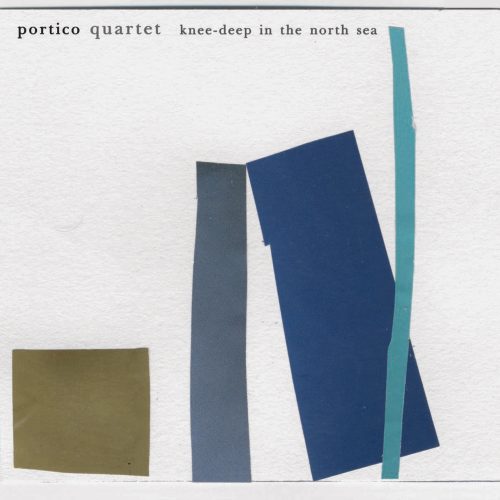
Recorded with the remains of their student grants, Portico Quartet’s first album and saw them transition from busking on the South Bank in London to being nominated for the 2008 Mercury Music Prize. Remixed by John Leckie and re-released by Real World Records in 2011, featuring three new tracks.
Drawing on the inspiration of electronica, ambient, classical and dance music Portico Quartet take their strange, beautiful, cinematic, future music to exciting new vistas and embracing new sonic territories. All underpinned by a shared joy in collective music making as the band push their inimitable music into the future.
A double album offering a unique insight into two distinct parts of the band's personality. Live captures them on tour in 2012 with performances full of drive and energy, whilst Remix, curated by the band, features mixes of their music by some of the band’s favourite producers and DJs.

Clara Serra López releases her debut EP Lengua Materna (Part I), reveals two new tracks Mi Tierra Q...
Fri, 25 July 25
Clara Serra López announces Lengua Materna (Part I), the first chapter of her debut project, and re...
Wed, 04 June 25

Bab L' Bluz second album, Swaken, released in May 2024. These are the song lyrics in English, French...
Wed, 08 May 24

French-Moroccan power quartet Bab L' Bluz, release the third track from their album Swaken.
Fri, 05 April 24